Agri-Tech
Biosecurity in Poultry Farming?
Biosecurity refers to all the preventive steps taken to minimize the risk of introducing and spreading diseases within a poultry farm. It includes controlling farm access, maintaining hygiene, monitoring bird health, and preventing exposure to possible contamination sources. When implemented correctly, biosecurity acts as a shield, protecting farms from diseases such as Avian Influenza, Newcastle Disease, Infectious Bronchitis, and Coccidiosis.
Why is Biosecurity Important?
Strong biosecurity protects flock health by reducing exposure to viruses, bacteria, and parasites. It improves productivity and profitability by helping birds grow faster, lay more eggs, and consume feed efficiently. It also reduces mortality, lowers treatment costs, and ensures the production of safe, chemical-free poultry products. Biosecurity further helps safeguard farms from future outbreaks, making poultry operations sustainable over the long term.
Key Biosecurity Measures Every Poultry Farm Must Follow
Farm Entry Control
Limiting access to the farm is the first step in disease prevention. Only essential workers should be allowed entry, and all visitors and vehicles must be recorded. Footbaths with disinfectant should be placed at every shed entrance, and farms should provide separate clothing and boots to reduce contamination risks.
Bird Management
Maintaining single-age flocks helps reduce disease transfer between birds. Farmers should purchase chicks only from trusted hatcheries and quarantine new or sick birds for at least 10–14 days before mixing them with the main flock.
Cleanliness and Hygiene
Daily cleaning routines are essential. Manure, spilled feed, and wet bedding should be removed regularly. Litter should be kept clean and dry, and proper ventilation should be maintained to control ammonia levels. Clean water systems and moisture-free feed storage further reduce disease risk.
Rodent and Pest Control
Rodents, flies, beetles, and mosquitoes can carry and spread harmful pathogens. Feed should be stored in sealed containers, and pest monitoring should be done regularly with traps or bait stations to prevent infestations.
Disease Monitoring and Vaccination
Regular health checks help in early detection of disease symptoms such as coughing, diarrhea, or dullness. A proper vaccination schedule must be followed based on regional risks and farm history. Record keeping of flock health, feed consumption, vaccination, and mortality is also important.
Waste and Dead Bird Disposal
Dead birds must be removed immediately and disposed of safely through burial or incineration. Manure should be composted away from poultry sheds to prevent contamination.
Water and Feed Biosecurity
Clean and treated water is essential for bird health. Water systems must be sanitized regularly, and feed spillage should be avoided as it attracts rodents and insects.
Best Practices for Maintaining Long-Term Biosecurity
Biosecurity training for staff, maintaining dry farm conditions, ensuring strong ventilation, avoiding equipment sharing with other farms, monitoring seasonal challenges, and adopting modern Agri-Tech tools for farm monitoring are key practices for long-term safety.
How Agri-Tech Enhances Biosecurity
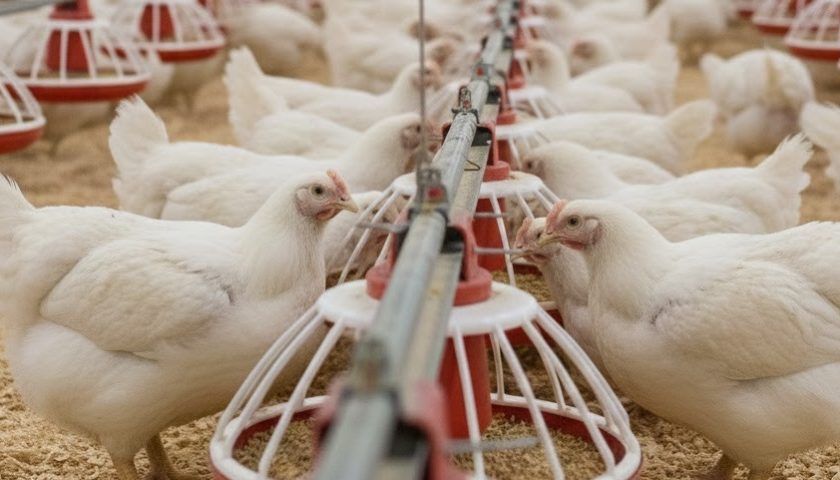
Technology now allows farmers to strengthen biosecurity through advanced tools such as IoT-based sensors for humidity and ammonia, digital flock management apps for real-time monitoring, automated feeders and drinkers to reduce human contact, and smart alerts for early disease signs.
Conclusion
Biosecurity is a continuous and disciplined process. It helps prevent disease, protect investment, improve flock performance, and ensure long-term success in poultry farming. By adopting strong biosecurity measures and integrating them with modern Agri-Tech solutions, poultry farms can achieve healthier birds, higher productivity, and sustainable grow